




You already know cold therapy works. You’ve read the studies. You’ve felt the difference. The question isn’t whether to add a cold plunge after running to your routine. It’s whether your current setup is actually holding the standard your training deserves.
A bucket of ice water isn’t a system. A bathtub isn’t a ritual. And a cold shower is just a cold shower.
If you’re running consistently and training with intention, your recovery infrastructure should match. This is where most serious runners are still leaving performance on the table.

Why a Cold Plunge After Running Is Non-Negotiable for High Performers
The runners who string together long training blocks without breakdown aren’t just more disciplined in their sessions. They’re more disciplined in what comes after.
Cold immersion post-run drives vasoconstriction followed by vasodilation on rewarming. That cycle clears metabolic waste, limits inflammatory overshoot and shifts the nervous system from sympathetic activation back to parasympathetic recovery. You come back the next day with less soreness, clearer legs and a body that’s ready to work again.
That’s not the interesting part. The interesting part is what happens when this becomes a daily practice rather than an occasional intervention. Compounded across a training block, consistent cold exposure builds stress resilience, improves sleep quality and produces an athlete who adapts faster and breaks down less. The ones who treat recovery as a discipline don’t just perform better. They last longer.
South Africa’s training climate compounds this further. Running in sustained heat places thermal load on the body that European or American training protocols don’t account for. Cold immersion post-run resets core temperature efficiently and completely in a way nothing else does.
The Difference Between a Cold Shower and a Proper Cold Plunge After Running
Full immersion creates hydrostatic pressure across the entire body. That uniform pressure assists venous return and drives a systemic recovery response that surface-level cold contact simply cannot replicate.
A cold shower is a habit. An IGLU plunge is a standard.
The distinction matters because if you’re investing seriously in your training, your kit and your time, a compromised recovery tool is the weakest link in an otherwise strong system. Serious runners don’t run in cheap shoes. They shouldn’t recover in a makeshift setup either.

The Protocol
There’s no complexity here. Simplicity is the point.
Temperature: 10 to 15 degrees Celsius. Consistent, controlled and exactly where the physiological response is optimised.
Timing: 30 to 60 minutes post-run. Let heart rate settle first. Then get in.
Duration: 3 to 10 minutes. Consistency across sessions outperforms duration in any single one.
During: Breathe. Stay still. This is where the reset happens.
Built for the Ones Who Show Up Anyway
South African running culture is year-round by nature: parkrun every Saturday, trail at dawn, road races through winter and summer without pause and more. The runners who sustain that across years aren’t doing something different in their training. They’re doing something different in their recovery.
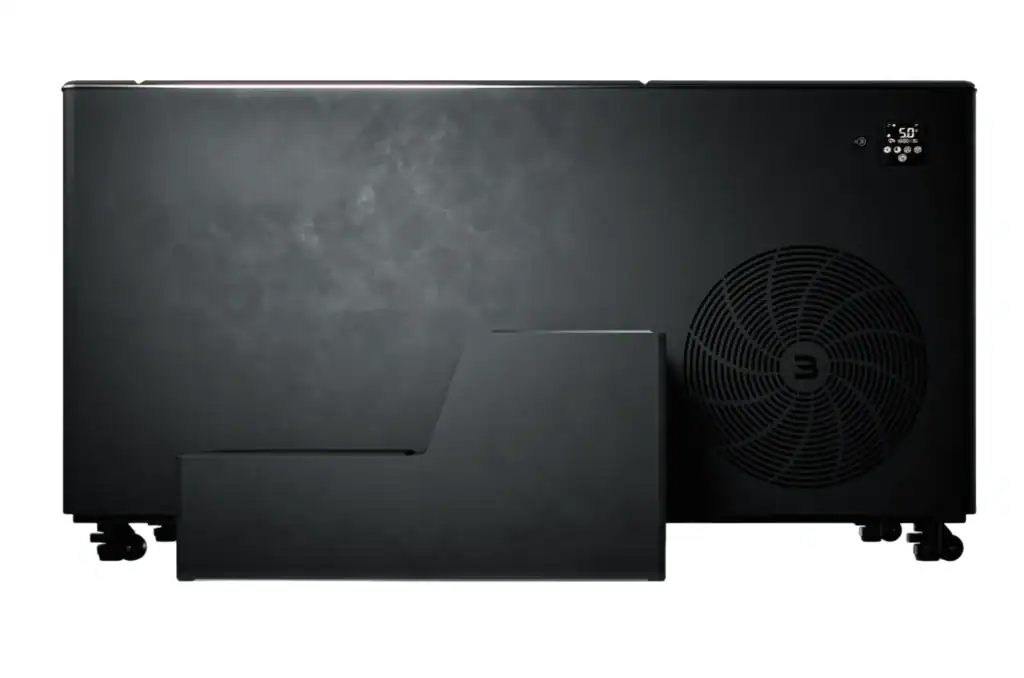
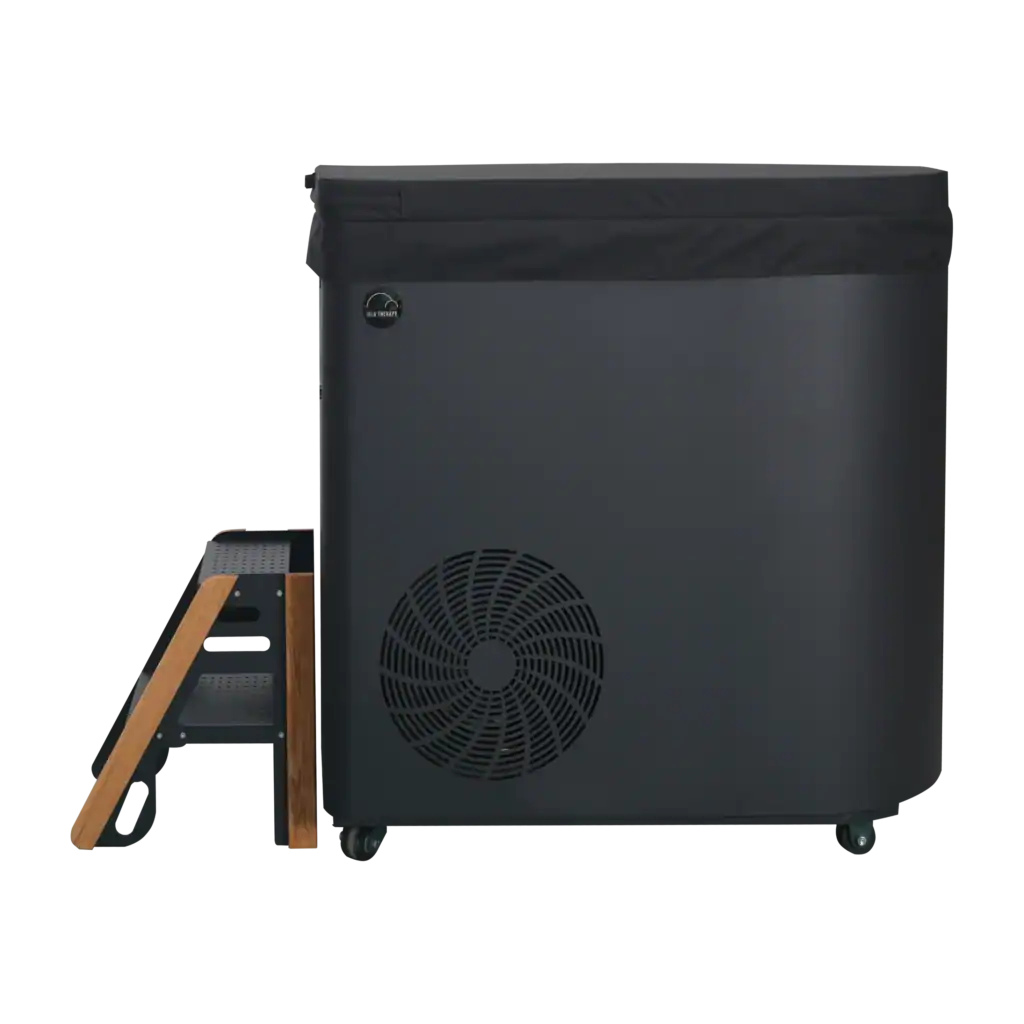
An IGLU cold plunge at home removes every friction point from the practice. No ice runs. No bathtub logistics. No compromise on temperature. Just a system built to hold the standard, session after session.
Recovery isn’t a reward for a hard run. It’s the discipline that makes the next one possible.
Cold is the hard part. Choosing the right system should be clear.
Cold is the hard part. Choosing the right system should be clear.