




Most people describe the moment they get into a cold plunge as a shock. That is not a feeling. It is a biological fact.
The cold plunge and nervous system response begins before you have finished processing what is happening. It does not wait for your decision, your breathing technique, or your mental preparation. It fires first, and that is precisely the point.
Understanding what is actually happening in those first seconds, and in the minutes and weeks that follow, changes how you approach the practice. It also changes what you ask of the system you use to do it.

The First Few Seconds: Sympathetic Activation
The moment cold water contacts your skin, the sympathetic nervous system fires. This is the same system responsible for the fight-or-flight response, and it does not distinguish between a predator and a cold plunge. It responds to the stimulus.
Heart rate accelerates. Breathing becomes fast and shallow. Blood moves away from the extremities toward the core. Norepinephrine, the neurochemical most directly linked to focus, alertness and stress response, surges by 200 to 300 percent within the first minutes of exposure, according to research on cold water immersion.
This is not a problem to manage. It is the whole mechanism. The value of cold therapy is not what happens despite this activation, it is what happens because of it.
The Cold Plunge and Nervous System Shift: What Follows the Shock
Once the body recognises the exposure as controlled rather than catastrophic, the parasympathetic nervous system begins to re-engage. This is the counterpart, the system responsible for rest, recovery and regulated calm. The shift from sympathetic dominance toward parasympathetic balance is what most practitioners describe as the clarity that follows a plunge. The quiet after the noise.
With regular cold exposure, this shift becomes faster and more efficient. The body learns the pattern. Sympathetic activation on entry, parasympathetic recovery shortly after. Over time, the cold plunge and nervous system response becomes a trained mechanism, not just in the water, but available in daily life when stress arrives unexpectedly.
This is what people mean when they talk about cold plunging building stress resilience. It is not a metaphor. It is a trained physiological shift.

Dopamine, Not Adrenaline
The neurochemical most associated with cold plunging in popular conversation is adrenaline, accurate for the entry phase, but incomplete. The more significant effect, particularly for consistent practitioners, is on dopamine.
Dopamine is the neurochemical most directly linked to motivation, sustained focus and the capacity to initiate action. Cold water immersion increases dopamine levels substantially, in some studies by as much as 250 percent, and unlike the adrenaline spike, the dopamine elevation is sustained for hours after the session ends.
This is why people who plunge consistently describe not a buzz but a shift in how they approach the rest of their day. Not wired. Not agitated. Sharper, more grounded, more willing to start difficult things.
Why Consistency Is the Mechanism, Not the Method
The cold plunge and nervous system response adapts through repetition, not intensity. A single session produces a strong physiological reaction. A consistent practice over weeks and months produces measurable changes in how the nervous system handles stress more broadly.
The relevant variables are not how cold and not how long. They are how often and how reliably. A system that holds a stable temperature session after session, without drift, without failure, is not a premium feature. It is the basic requirement for the practice to work as a training stimulus rather than an occasional event.
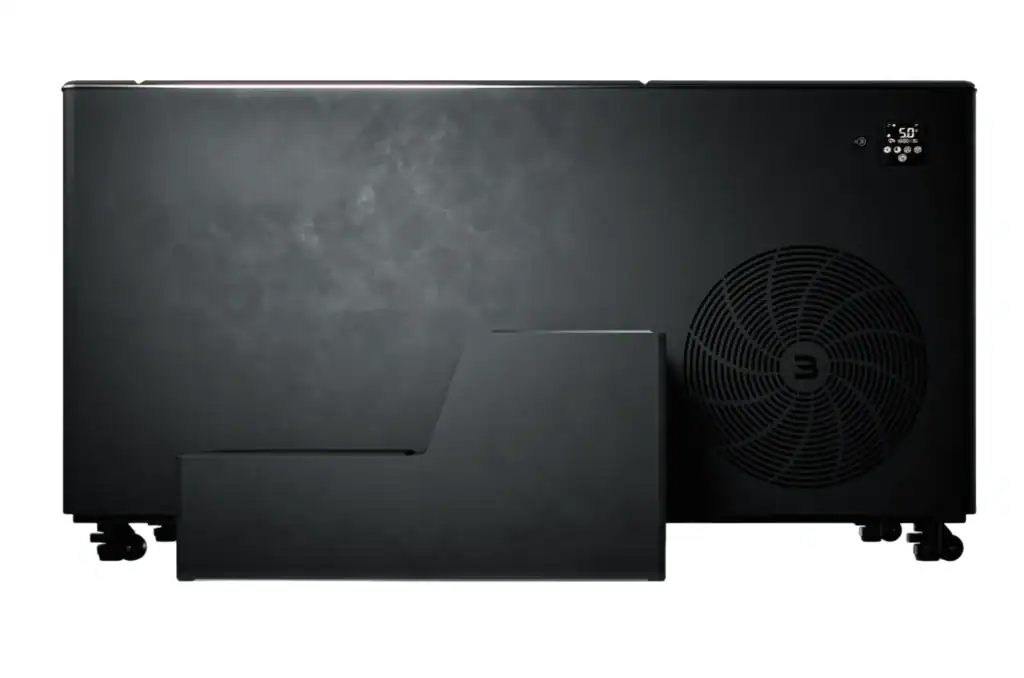
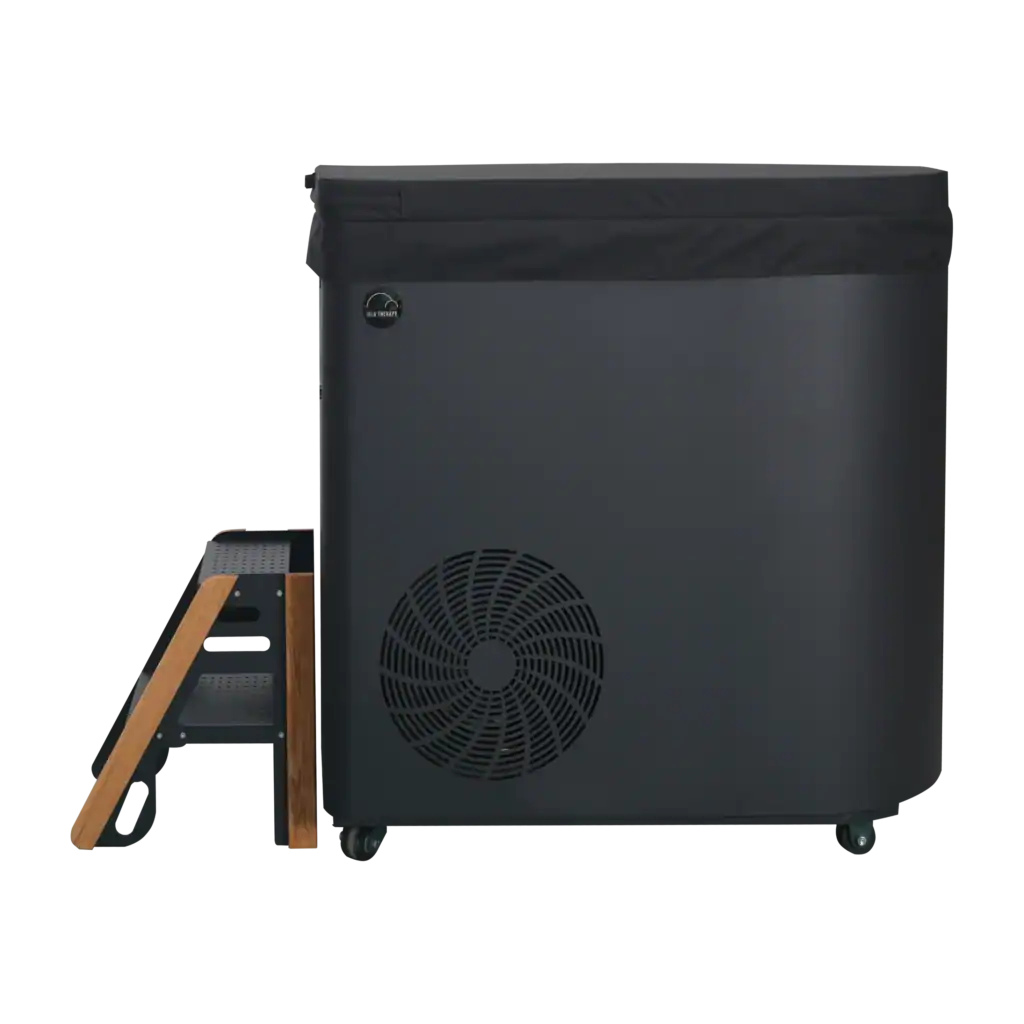
This is what IGLU is built around. Not the cold as a spectacle. The cold as a repeatable, controlled input, reliable enough that the only variable that changes over time is your nervous system’s response to it.
For a deeper look at how consistent cold exposure supports recovery beyond the nervous system, the role of cold therapy in managing inflammation is worth reading alongside this.
Making the Practice Stick
None of this adaptation happens without consistency. And consistency does not happen without a system that removes friction from the routine.
The biggest obstacle to a regular cold practice is almost never motivation. It is the small things that make skipping easier than going, water that has drifted two degrees overnight, a cover that takes effort to remove, a location that feels inconvenient at 6am. The cold plunge and nervous system benefits only compound if the input is regular. Give the nervous system the same stimulus reliably, and it adapts. Give it an unreliable one and the adaptation plateaus.
If you are thinking seriously about a home setup, our buyer’s guide to home ice bath systems in South Africa covers what actually matters before you commit: temperature consistency, filtration, placement and power requirements.
If you are newer to the practice and still building your baseline, the beginner’s guide to cold plunging is the right place to start.
The IGLU Position
IGLU is not built around the performance of cold. No biohacking language. No extreme temperature claims. No suggestion that colder is always better.
The science does not support going below 3°C for additional benefit. What it does support is controlled, repeatable exposure at a stable temperature, and that is what every system in the IGLU range is designed to deliver.
Your nervous system will adapt. Give it something worth adapting to.